20 Myths About Upvc Door Handle Replacement: Busted


Choosing the Right UPVC Door Handle Replacement
It's simple to replace your handles made of upvc however choosing the best handle can be difficult. Modern double glazed handles come with spring cassettes, whereas older handles do not.
If the handle made of upvc on the multipoint lock is loose and floppy, it could be an internal issue. This article will look at a number of possible causes and the potential solutions.
Handles that are drooping or sagging
uPVC handles can sustain wear and tear, especially in older properties. A broken spring cassette in the door lever is the most frequent reason for a handle that is floppy. This is caused by excessive force and the spindle holding the cassette can be dislocated or rounded.
The good news is that replacing the door handle with uPVC is a fairly simple task and can be accomplished in just a few minutes. The first step is to remove the old handle unit. To do this, unscrew the fixing screws visible on the back of the lever. Once the handles are removed you can then unscrew the cassette from the square spindle and replace it with an entirely new one.
You can find a wide range of uPVC door handles to choose from on the internet and a lot of them come in different finishes. Choosing upvc replacement door handles will determine the length of time your handle will last as well as how it is easy to keep clean. Finishes like PVD, Stainless Steel or Resista are designed to resist corrosion and will last for up to 25 years.
Once you've selected the colour or style you can then choose the type of handle you require. The most popular types are lever and pad arrangements. Lever pads are commonly used to block access by unauthorised persons. They are equipped with both a lever inside and a paddle out.
Next, measure and record the dimensions of the handle you have. You'll need to know the PZ dimension (the distance from the screw hole to the center of the lever) and the length of the handle and the size of the keyhole. You can compare the measurements to the handle size matrix to determine the right replacement.
Broken springs
Over time, uPVC handles may become wobbly or loose. The spring cassette might also break. These springs are used to align the handle lever in a horizontal direction. Without them your doors will not lock properly.
Modern uPVC handles are designed with these cassettes integrated directly into the backplate. However, older uPVC doors typically contain these springs within the actual lock mechanism. This can't be fixed on your own, but it's worth asking your locksmith to take a look as this could be the cause of the drooping or sagging uPVC door handles.
The most common issue that is encountered with uPVC handles is that they loosen as time passes. This is usually due to worn-out springs, which are easy to repair. Most often it is due to excessive use of the handle, and as a result of that the square spindle inside the handle will wear out and cause the springs to move out of place.
In order to rectify this, you'll need to open the door and remove the fixing screws on the back of the handle plate. This can be done using a Philips screwdriver and once the screws are removed, the handle can be removed and the handle plates ripped apart with care. Then you can take off the springs that were in use and replace them with new springs.
Depending on the kind of handle you have the distance between the two screws can differ, and this is essential to know before purchasing an alternative. This measurement is referred to as the PZ measure. It is recommended that this is measured using an instrument that is calibrated in order to be accurate.
After replacing the springs, you will be able to operate the handle without any issues. It is recommended to lubricate your internal mechanism to make sure that everything is functioning exactly as it should. This will ensure that your uPVC door is as secure as could be, and increase their comfort as time passes.
Handles that slide around
Handles that slide around could be caused by a number of things, one of the most frequent causes is when the levers of the handle aren't aligned correctly with the lock. This is a problem that can occur with both uPVC and composite doors, but it is typically more evident on older doors since they are usually made of cheaper materials that don't hold up to the elements.
This issue can be fixed by a professional, who will re-align the handles and make sure they're in line with the door lock. They'll also inspect the lock to see what requires fixing. In many cases, a small adjustment to the springs of the handle will solve this problem.
Changing your uPVC door handle is simple enough, but it's important to measure the measurements of the handles you have in place to ensure you have the right size replacement. You'll need to take measurements of the distance between the two fixing screws, and the dimensions of the lever and key hole position. Then, you can use this uPVC handle size guide to locate the right replacement for your home.
Once you have the measurements, the next step is to eliminate the current uPVC handles. It's usually a simple procedure that requires only the use of a screwdriver. After the screws have been removed, you will need to remove the handle and then replace the new one.
Before starting the work, you should ensure that the door is secured open with a door wedge to prevent it from closing in the middle of your work. Once the handle is removed you'll be able to inspect the underside of the door to address the issues that cause it to slip.
If you don't have the patience or energy to tackle this job yourself, a handyman from Fantastic Services can help. They will use special lock picking techniques to unlock the doors without creating damage. Then they will replace the damaged handle and make sure everything is working just as it should.
Gearbox damaged
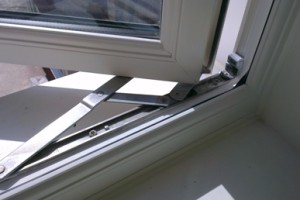
A damaged gearbox can cause the handle made of upvc to become stiff and lose function. This can also prevent the lock from being able to be opened with keys. This could be dangerous and should be addressed as soon as is feasible. If you're unable to solve the problem yourself it is essential to contact a locksmith as they have the experience and tools needed to complete the task correctly.
The first step is removing the handle from the cover plate. This can be done using a screwdriver equipped with flat heads. Once you have removed the handle, you can then remove the middle screw that holds the cylinder in position. Once you have removed the middle screw, you can then loosen the two screws that secure the barrel. Then, you can pull the barrel out of the door. You'll have to prop the door open to do this, so make sure you have someone on hand to assist.
After you have removed the cylinder and replacing it the cylinder with a new one. Make sure that the new cylinder is the same dimensions as the old one. You could have an incorrectly aligned handle. This can cause a variety of issues, including leaks and drafts.
A lot of doors made of upvc have adjustment slots which can be used to tighten or loosen the handle. These slots are usually located on the inside of the doors, near the spot where the handle connects with the cylinder. Allen wrenches can be used to tighten the adjustment slots. Once you've made the necessary adjustments then you can screw the handle into and then put it back into position. After that, you can test the handle to be sure that it's functioning properly.
The door handle of upvc becoming loose when closed is usually an indication that the spring or gearbox components have broken down. This could cause the multipoint lock made of upvc to fail and leave your door open to burglars. If this happens, it will be necessary to replace the upvc gearbox. This will cost between PS145-PS280 with the labor included.